


- March 13, 2026
- by Anoop Jain
Looking for a GenAI Staffing Partner in India? Here’s What to Consider
Generative AI is rapidly transforming enterprise technology strategies. From AI-powered copilots to intelligent knowledge assistants and automated content generation systems, organizations across industries are investing heavily in large language model (LLM)–driven solutions.
However, while the technology is advancing quickly, a major obstacle continues to slow down enterprise AI adoption:
Access to specialized Generative AI talent.
Companies building GenAI solutions require engineers with expertise in large language models, vector databases, Retrieval-Augmented Generation (RAG), and AI infrastructure. Unfortunately, this talent pool is still relatively limited compared to the surge in enterprise demand.
This is why many global companies are looking toward India’s growing GenAI talent ecosystem and seeking the right GenAI staffing partner to help them scale their AI initiatives.
But choosing the right partner is critical. Not all staffing firms understand the complexity of Generative AI projects.
Before selecting a GenAI staffing partner in India, enterprises must evaluate several important factors.
Why India Is Emerging as a Global Hub for GenAI Talent
India has long been recognized for its deep engineering talent pool. Over the past decade, the country has become one of the world’s largest technology hubs, supporting global companies through Global Capability Centers (GCCs), product engineering teams, and digital transformation programs.
With the rapid rise of Generative AI, India’s role in the global AI ecosystem is expanding even further.
Several factors contribute to India’s growing GenAI workforce:
The country produces a large number of engineering graduates every year, many of whom specialize in artificial intelligence, data science, and machine learning.
India also has a mature ecosystem of cloud engineers, data engineers, and DevOps specialists—skills that are essential for building production-ready GenAI systems.
Additionally, the rapid expansion of AI-focused startups and enterprise AI initiatives has accelerated the development of practical GenAI expertise across the technology workforce.
As a result, global companies are increasingly building AI teams in India to support LLM development, AI product innovation, and enterprise automation initiatives.
The Growing Demand for GenAI Engineers
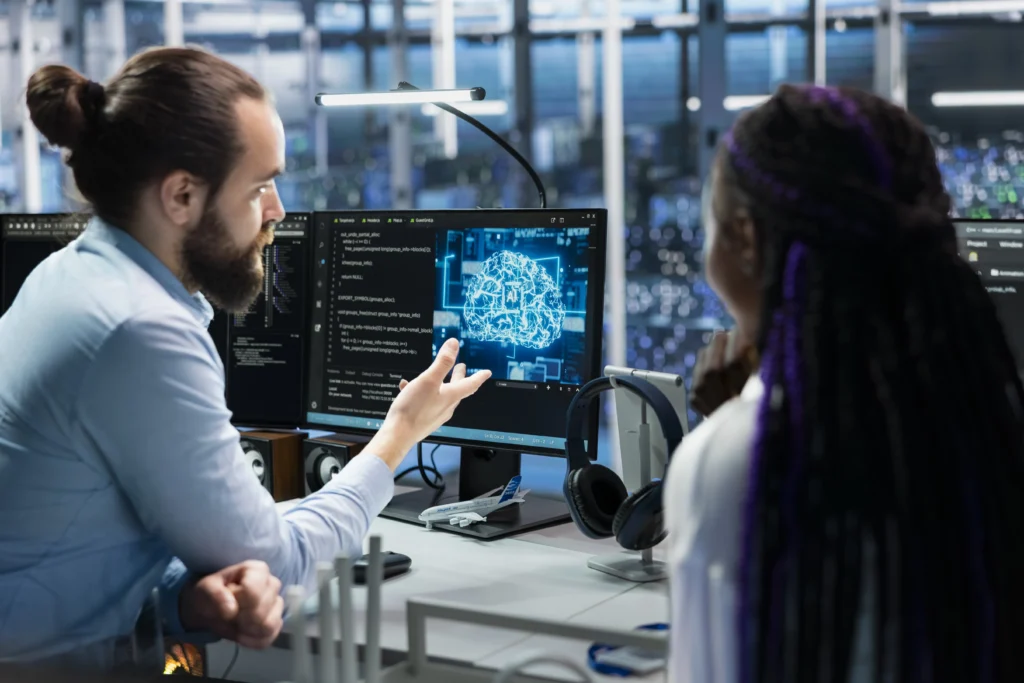
Generative AI talent is now among the most sought-after skill sets in the global technology market. Companies are actively hiring engineers who can build, deploy, and manage AI-powered applications.
However, GenAI engineering is more complex than traditional software development.
A production-ready GenAI system typically requires expertise in several areas, including:
Large language model integration, prompt engineering, and API orchestration.
Vector databases and semantic search infrastructure.
Retrieval-Augmented Generation (RAG) pipelines that connect enterprise data with LLM responses.
AI workflow orchestration and automation.
Monitoring systems for AI performance, cost optimization, and hallucination detection.
Because of this complexity, organizations rarely hire a single AI engineer to manage the entire system. Instead, they build cross-functional GenAI teams that combine AI expertise with data engineering, cloud infrastructure, and DevOps capabilities.
This makes the role of a specialized GenAI staffing partner even more important.
What to Look for in a GenAI Staffing Partner
When enterprises evaluate a GenAI staffing partner in India, the goal should not simply be to find candidates quickly. Instead, the focus should be on identifying a partner who understands the technical and operational realities of enterprise AI deployments.
Deep Understanding of Generative AI Technologies
A reliable GenAI staffing partner should understand the technology stack behind modern AI systems.
This includes familiarity with large language models, prompt engineering frameworks, vector databases, AI orchestration tools, and cloud-based AI platforms.
A partner with domain knowledge can better evaluate candidate expertise and ensure that engineers possess practical experience rather than superficial exposure to AI tools.
Access to Specialized AI Talent
The best GenAI staffing partners maintain strong talent networks that include:
LLM engineers who specialize in integrating and customizing large language models.
Data engineers who design pipelines for AI training data and retrieval systems.
AI platform engineers responsible for building scalable AI infrastructure.
MLOps and LLMOps specialists who monitor and optimize AI workflows in production.
Having access to this specialized talent allows enterprises to build balanced GenAI teams rather than relying on individual engineers with limited expertise.
Experience Supporting Enterprise AI Projects
Generative AI deployments often involve sensitive enterprise data, compliance requirements, and security considerations.
Staffing partners should therefore have experience working with enterprise clients, particularly in industries such as finance, healthcare, and technology.
This ensures that engineers are familiar with secure AI architecture, governance frameworks, and regulatory compliance standards.
Flexible Engagement Models
Generative AI projects evolve quickly. Early experiments may require only a small team, while successful initiatives may expand into larger AI platforms supporting multiple business functions.
A strong GenAI staffing partner should offer flexible hiring models such as:
Staff augmentation for rapid scaling of AI teams.
Dedicated development teams for long-term AI initiatives.
Contract-to-hire models for organizations that want to evaluate engineers before permanent hiring.
These options help enterprises scale their AI capabilities while managing hiring risk.
The Risks of Choosing the Wrong Partner
Selecting an inexperienced staffing partner can create several challenges.
Enterprises may receive candidates who have limited real-world experience with Generative AI systems. Many engineers have experimented with AI tools but have never deployed production-grade AI applications.
Another common problem is the lack of technical screening expertise. Without deep knowledge of GenAI technologies, staffing firms may struggle to accurately evaluate candidate skills.
Finally, poorly structured hiring processes can lead to higher attrition, project delays, and increased operational costs.
These risks highlight the importance of choosing a staffing partner who understands both AI technology and enterprise hiring requirements.
The Role of GenAI Staffing in Enterprise Innovation
Generative AI is expected to become a foundational technology across many industries. Companies that successfully deploy AI-powered solutions will gain significant advantages in productivity, automation, and customer experience.
However, achieving these benefits requires more than simply adopting AI tools.
Organizations must build teams capable of designing, deploying, and maintaining AI systems at scale.
GenAI staffing partners play a crucial role in helping companies access specialized talent, accelerate AI development, and reduce hiring risks.
For enterprises navigating the rapidly evolving AI landscape, selecting the right staffing partner can significantly impact the success of their AI initiatives.
Conclusion
The demand for Generative AI talent is growing rapidly, and India has emerged as one of the most promising destinations for building AI teams. With its strong engineering ecosystem, expanding AI workforce, and growing number of Global Capability Centers, India offers a strategic advantage for companies seeking GenAI expertise.
However, hiring the right talent requires careful planning and the right staffing partner.
Enterprises evaluating GenAI staffing partners should focus on domain expertise, access to specialized talent, experience with enterprise AI projects, and flexible engagement models.
By selecting a partner that understands both the technology and the hiring landscape, organizations can accelerate their Generative AI initiatives and build the teams needed to drive long-term innovation.
Frequently Asked Questions (FAQ)
Q1. How do companies hire Generative AI engineers in India?
Q2. Why are global companies hiring GenAI talent in India?
Q3. What roles are needed in a Generative AI team?
Q4. What should companies look for in a GenAI staffing partner?
Q5. What skills should a Generative AI engineer have?
About Author

CEO at gNxt Systems
with 25+ years of expertise, Mr. Anoop Jain delivers complex projects, driving innovation through IT strategies and inspiring teams to achieve milestones in a competitive, technology-driven landscape.
Table of ContentsToggle Table of ContentToggle