

- March 10, 2026
- by Anoop Jain
AI Staff Augmentation for GenAI Projects: A Complete Enterprise Guide
Generative AI has quickly moved from experimental innovation to enterprise priority. Organizations across industries are deploying large language models (LLMs), AI copilots, and Retrieval-Augmented Generation (RAG) pipelines to improve productivity, automate workflows, and unlock new digital capabilities.
However, while the technology stack for Generative AI is evolving rapidly, one challenge consistently slows enterprise adoption:
Access to specialized AI talent.
Most organizations do not yet have in-house teams capable of designing, deploying, and operating production-ready GenAI systems. Hiring full-time AI engineers for short-term experimentation phases can also introduce financial risk.
This is why AI staff augmentation has emerged as one of the most effective workforce strategies for enterprise GenAI initiatives.
By augmenting internal teams with specialized AI engineers, enterprises can accelerate GenAI deployments without long hiring cycles or long-term headcount commitments.
Why Generative AI Projects Require Specialized Talent
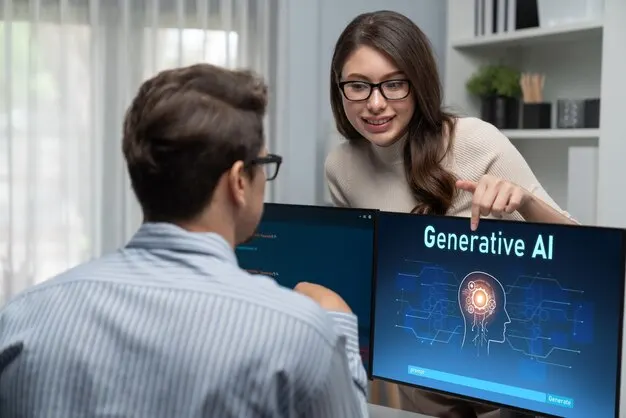
Generative AI solutions involve much more than integrating an LLM API into an application. Enterprise-grade deployments require a complex engineering ecosystem that includes data pipelines, infrastructure orchestration, security controls, and continuous monitoring.
A production-ready GenAI environment typically involves multiple technical layers:
- Large language model integration
- Retrieval-Augmented Generation (RAG) pipelines
- Vector databases and embedding infrastructure
- Data ingestion and transformation pipelines
- AI workflow orchestration
- Model monitoring and evaluation (LLMOps)
- Governance and compliance controls
Building these systems requires collaboration across AI engineers, data engineers, cloud architects, and DevOps specialists. Most internal engineering teams lack this specialized combination of skills.
AI staff augmentation helps bridge this gap by introducing targeted expertise into existing teams.
What Is AI Staff Augmentation?
AI staff augmentation is a workforce strategy in which organizations temporarily extend their internal teams with external AI specialists who possess expertise in machine learning, LLM integration, and generative AI architecture.
Unlike traditional outsourcing models, staff augmentation integrates external professionals directly into the enterprise’s engineering workflows.
Augmented engineers typically collaborate with internal teams on:
- GenAI application development
- AI infrastructure implementation
- Model integration and testing
- AI pipeline automation
- AI platform optimization
This model allows enterprises to retain full control over product direction and intellectual property while gaining access to specialized expertise.
Why Enterprises Choose Staff Augmentation for GenAI Projects
Generative AI initiatives often start as exploratory pilots but quickly evolve into mission-critical digital capabilities. Staff augmentation allows organizations to scale AI expertise dynamically as projects mature.
Faster Access to Specialized Skills
Hiring experienced AI engineers, particularly those with hands-on LLM deployment experience, can take several months in competitive talent markets. Staff augmentation allows enterprises to access specialized talent within weeks rather than months.
Reduced Hiring Risk
GenAI initiatives often evolve rapidly. A team structure that works during experimentation may not match production requirements. Staff augmentation provides flexibility to scale teams up or down without long-term hiring commitments.
Faster Time to Market
AI engineers who have already deployed LLM-based systems can accelerate architecture design, integration, and testing. This helps organizations reduce development cycles and move from proof-of-concept to production faster.
Access to Emerging AI Expertise
The generative AI ecosystem evolves rapidly, with new frameworks, vector databases, and orchestration tools emerging frequently. Augmented engineers often bring experience with the latest tools and practices, helping organizations stay current with AI innovation.
Key Roles in a Generative AI Staff Augmentation Team
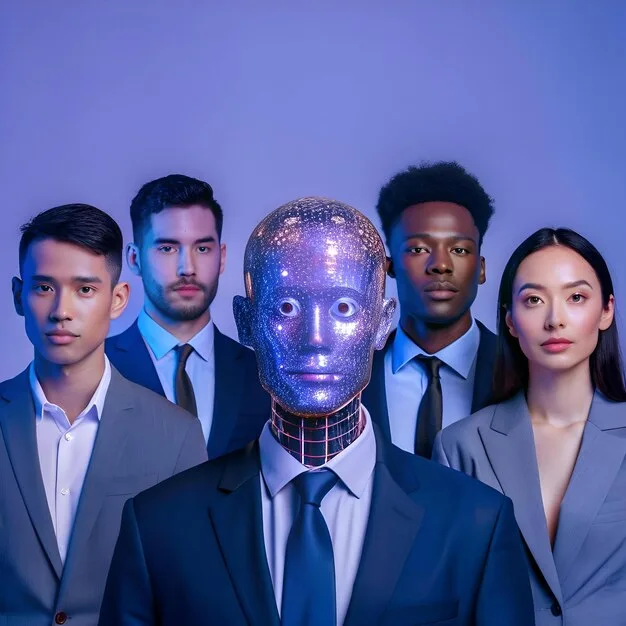
Successful GenAI projects require cross-functional expertise rather than isolated AI specialists. Staff augmentation typically introduces several specialized roles into enterprise teams.
AI / LLM Engineers
These engineers design and implement applications powered by large language models. They handle prompt optimization, model integration, and API orchestration.
Data Engineers
Data engineers build the pipelines required to ingest, clean, and structure enterprise data for AI systems. They also manage vector database indexing and embedding workflows.
Backend Engineers
Backend developers integrate AI capabilities into existing enterprise platforms, APIs, and applications.
DevOps and LLMOps Specialists
These professionals ensure that AI systems are scalable, secure, and continuously monitored. They implement CI/CD pipelines and observability frameworks for AI workloads.
AI Security and Compliance Specialists
Enterprises deploying AI systems must ensure data privacy, security governance, and regulatory compliance. Security specialists design safeguards around AI workflows and sensitive data usage.
When Should Enterprises Use AI Staff Augmentation?
Staff augmentation is particularly valuable in several scenarios.
Organizations launching their first GenAI initiatives often use augmented teams to accelerate experimentation and build foundational AI capabilities.
Enterprises migrating from proof-of-concept AI projects to production deployments use augmentation to introduce specialized engineering expertise required for scaling.
Global companies building AI capabilities through Global Capability Centers (GCCs) often rely on staff augmentation partners to rapidly scale AI teams while maintaining operational control.
Finally, companies pursuing aggressive AI roadmaps may augment internal teams to support multiple parallel GenAI initiatives.
Common Challenges in AI Talent Hiring
Despite growing interest in generative AI, the global talent pool for experienced AI engineers remains relatively limited.
Enterprises frequently encounter several hiring challenges:
- Shortage of experienced LLM engineers
- Difficulty distinguishing experimental AI experience from production expertise
- High competition for specialized AI talent
- Rapid salary escalation for niche roles
- Long recruitment cycles
These challenges make traditional hiring models inefficient for fast-moving GenAI programs.
Staff augmentation provides an alternative path to acquiring talent quickly while maintaining hiring flexibility.
Best Practices for AI Staff Augmentation in Enterprise Environments
To maximize the value of AI staff augmentation, organizations should approach the model strategically.
Clear project objectives and architectural goals should be defined before onboarding augmented engineers. This ensures the external specialists can integrate effectively into existing teams.
Enterprises should also focus on knowledge transfer, ensuring that internal teams gain exposure to AI workflows and practices throughout the engagement.
Security governance must be maintained, particularly when working with enterprise data or regulated industries.
Finally, selecting a staffing partner with deep expertise in AI engineering ensures access to professionals who understand production-level GenAI systems rather than experimental implementations.
The Future of AI Workforce Models
As generative AI becomes embedded across enterprise operations, workforce models will continue evolving.
Rather than building large permanent AI teams immediately, many enterprises will adopt hybrid workforce strategies that combine internal engineering teams with specialized external expertise.
AI staff augmentation enables organizations to scale AI capabilities gradually while maintaining agility in an uncertain technological landscape.
For companies navigating the rapid evolution of generative AI, this flexible workforce model offers both speed and resilience.
Conclusion
Generative AI represents one of the most transformative technological shifts in recent decades. However, successful AI adoption depends not only on technology but also on the availability of skilled talent.
AI staff augmentation provides enterprises with a practical and scalable approach to accessing specialized expertise required for GenAI initiatives. By integrating experienced AI engineers into existing teams, organizations can accelerate development, reduce hiring risk, and move from experimentation to production more efficiently.
As enterprises continue to invest in generative AI, flexible workforce models like staff augmentation will play a critical role in enabling innovation and maintaining competitive advantage.
Q1. How do companies hire Generative AI engineers?
Q2. What skills should a Generative AI developer have?
Q3. How big should a Generative AI team be?
Q4. What is the difference between an AI engineer and an LLM engineer?
Q5. What is the biggest challenge when building AI teams?
About Author

CEO at gNxt Systems
with 25+ years of expertise, Mr. Anoop Jain delivers complex projects, driving innovation through IT strategies and inspiring teams to achieve milestones in a competitive, technology-driven landscape.
Table of ContentsToggle Table of ContentToggle